

Understanding the psychological triggers that drive gambling behavior
The Nature of Gambling Addiction
Gambling addiction is often rooted in psychological triggers that affect individuals differently. The thrill of risk and the allure of winning can captivate the mind, leading people to chase losses and engage in compulsive behavior. This cycle creates a dopamine-driven feedback loop, where the brain increasingly craves the excitement associated with gambling. Understanding these addictive patterns can help individuals recognize when their gambling habits may be becoming unhealthy. For those interested, bresbet-uk.com offers resources to help better understand these issues.
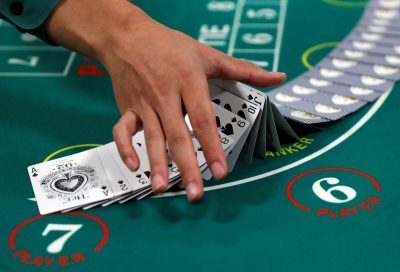
The environment also plays a crucial role in reinforcing gambling behaviors. Casinos and online platforms are designed to be stimulating, filled with bright lights, sounds, and an atmosphere that heightens anticipation. This stimulation can create a sense of euphoria that encourages players to keep betting. For beginners, recognizing these features can be vital in maintaining control and ensuring that gambling remains a form of entertainment rather than an addiction.
Another significant aspect of gambling addiction is the emotional state of the individual. People often gamble to escape from stress, anxiety, or depression. This escape can lead to a dangerous cycle where individuals turn to gambling during tough times, further entrenching their dependency. Understanding the psychological triggers, such as emotional distress, can empower individuals to seek healthier coping mechanisms instead of relying on gambling as an outlet.
The Role of Cognitive Biases
Cognitive biases significantly influence gambling behavior, often leading players to misinterpret odds and outcomes. One common bias is the «gambler’s fallacy,» where individuals believe that past events affect future outcomes. For instance, if a player experiences a series of losses, they might assume that a win is «due» to happen. This misconception can lead to chasing losses and increased betting, ultimately resulting in more significant financial loss.
Another cognitive bias prevalent in gambling is the illusion of control, where individuals believe they have more influence over outcomes than they actually do. For example, a player may feel they can control the outcome of a dice roll or a card draw through their choices or strategies. This belief can compel them to gamble more frequently, as they perceive their skill to be a determining factor in winning, leading to irrational betting patterns.
Additionally, confirmation bias plays a role in reinforcing gambling behavior. Players often remember their wins while disregarding their losses, creating a skewed perception of their success. This selective memory can perpetuate the desire to continue gambling, as individuals focus on the positive experiences rather than the negative consequences. Recognizing these cognitive biases can help beginners approach gambling with a more rational mindset, decreasing the likelihood of compulsive behavior.
The Impact of Social Influences
Social influences are a powerful force in shaping gambling behavior. Peer pressure can lead individuals to participate in gambling activities, especially in social settings like parties or gatherings. When surrounded by friends or family who gamble, beginners may feel compelled to join in, often overlooking the risks involved. This social facilitation can create an environment where gambling becomes normalized and even encouraged.
Moreover, the online gambling community can amplify social influences. Players often share their wins and strategies on social media platforms or forums, creating an illusion of success. Beginners may feel encouraged to engage in gambling, believing that if others can succeed, they can too. This social reinforcement can increase the likelihood of unhealthy gambling patterns, making it essential for individuals to critically evaluate the motivations behind their gambling activities.
Another layer to social influence is the portrayal of gambling in media. Movies, television shows, and advertisements often glamorize gambling, showcasing it as an exciting and profitable activity. These portrayals can mislead beginners about the actual odds and consequences of gambling, making it seem more appealing than it is. Understanding the impact of media representation can help individuals approach gambling with a more informed perspective and recognize its potential pitfalls.
Emotional Triggers and Gambling Behavior
Emotional triggers play a significant role in driving gambling behavior. Many individuals turn to gambling as a way to escape negative feelings or stress. When life becomes overwhelming, the excitement of gambling can provide a temporary relief from emotional pain. Understanding these emotional triggers is crucial for individuals who wish to manage their gambling habits effectively.
Moreover, positive emotions can also lead to increased gambling. A celebratory mood or a sense of invincibility can cause individuals to gamble more, believing that their good fortune will continue. This phenomenon often leads to reckless decision-making, as players may wager more than they can afford, driven by the thrill of their current emotional state. Recognizing the interplay between emotions and gambling can help individuals cultivate a more balanced approach to their gambling experiences.
It’s essential for beginners to develop self-awareness regarding their emotional state before engaging in gambling activities. Keeping a diary or reflecting on emotional triggers can help individuals identify patterns and establish boundaries. By understanding the emotions that prompt them to gamble, they can make more informed decisions, ensuring that gambling remains a responsible and enjoyable pastime rather than a harmful escape.

Responsible Gambling with BresBet UK
For those looking to engage in gambling, BresBet UK offers a secure and responsible environment tailored for sports enthusiasts. The platform emphasizes responsible gambling by providing tools and resources that help users manage their betting habits effectively. Features such as deposit limits, self-exclusion, and access to support resources can empower individuals to gamble safely, minimizing the risk of developing unhealthy habits.
BresBet UK also provides competitive odds and a variety of promotions, including a welcome bonus that rewards newcomers. With an emphasis on transparency and security, users can feel confident in their decision to participate in online betting. This approach allows individuals to enjoy their gambling experiences while keeping their well-being in focus.
By understanding the psychological triggers that drive gambling behavior, users can make informed choices on platforms like BresBet UK. This knowledge, combined with the site’s responsible gambling initiatives, can help ensure that gambling remains a fun and engaging activity rather than a source of stress or addiction. With the right tools and awareness, beginners can navigate the world of gambling confidently and responsibly.